Bedding Guide
A Practical Guide to Choosing a Latex Mattress Topper
A latex mattress topper can change the feel of a bed without replacing the mattress underneath. The right choice depends on what you want to improve: cushioning, firmness, pressure relief, or simply a more responsive surface. Thickness, firmness, material details, and compatibility all matter—and the best option is the one that works with your mattress and your sleep preferences.
What a latex topper can—and cannot—do
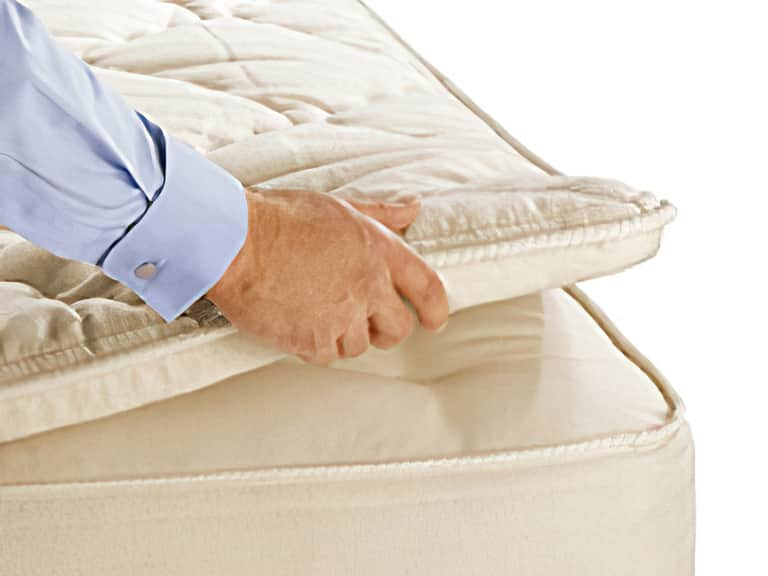
A topper is a comfort layer placed on top of a mattress. It can soften a surface that feels too firm, add a little cushioning, or alter the way the bed responds when you move. Latex is often chosen for its buoyant, springy feel: rather than slowly settling around the body, it tends to compress and rebound relatively quickly. That responsiveness can make it easier to shift positions than on some slower-contouring surfaces.
A topper is not a complete mattress, though. It can adjust the upper feel of a bed, but it cannot reliably correct a mattress that is deeply sagging, damaged, or failing to support your body. If the underlying mattress has a pronounced dip, a topper may follow its shape instead of restoring an even sleep surface. Think of a topper as a way to fine-tune a basically sound mattress, not a substitute for replacing one that has reached the end of its useful life.
It is also worth separating comfort from support. The topper influences the first impression of the bed and how pressure is distributed near the surface. The mattress beneath it continues to provide much of the overall support. A soft topper on a supportive mattress may feel plush; the same topper on a worn-out mattress may feel uneven. Evaluating both layers together is more useful than choosing a topper by its label alone.
Start with the change you want to make
Before comparing specifications, describe what is bothering you about the current bed. Does it feel too firm at the shoulders or hips? Does it feel too soft or unstable? Are you comfortable at first but wake up feeling overheated? Or are you mainly looking for a different, more buoyant surface? A clear goal narrows the field and helps prevent a common mistake: buying a topper that is well made but solves the wrong problem.
If the mattress feels too hard, additional cushioning may be the priority. A thicker or softer latex topper can create a more yielding surface, although the result depends on the topper’s firmness and the mattress below it. If the bed already feels soft, adding another plush layer may make it harder to feel supported. In that case, look carefully at the existing mattress condition and consider whether a topper can realistically address the issue.
If you are unsure what is causing discomfort, try changing one variable at a time. Check the mattress for visible dips, confirm that its foundation is appropriate, and consider whether your pillow or sleep position is affecting how you feel. A topper is only one part of a sleep setup; making a targeted adjustment is usually more informative than changing several components at once.
Choosing latex topper thickness
Thickness affects how much the topper can alter the mattress’s surface feel. In broad terms, a thinner topper makes a more restrained change, while a thicker one can create a more noticeable layer of cushioning. But thickness alone does not determine softness or support. A thinner, softer topper may feel more yielding than a thicker, firmer one, and the mattress itself remains part of the equation.
For someone who likes the basic feel of the mattress but wants a modest comfort adjustment, a thinner option may be a reasonable place to start. It can add some cushioning without dramatically changing the bed’s overall character. A thicker option may suit someone seeking a more substantial surface change, particularly when the mattress is sound but feels too firm. The trade-off is that a more pronounced layer can change the bed’s height and the way it responds.
Rather than treating a particular thickness as universally best, consider the degree of change you want. Ask whether you want a subtle refinement or a noticeably plusher surface. If possible, try comparable materials in person or review a retailer’s return terms before buying. Comfort is individual, and a specification cannot predict exactly how a topper will feel to every sleeper.
Also account for practical details. A thicker topper can raise the sleeping surface, which may affect how easily you get in and out of bed. It may require deeper fitted sheets, and it can alter the look or fit of a mattress protector. Measure the complete mattress and topper combination rather than assuming existing bedding will accommodate the extra height.
Firmness: understand the feel, not just the label
Firmness descriptions are useful for comparing products, but they are not perfectly standardized across manufacturers. One brand’s “medium” may not feel like another brand’s medium. Latex density, construction, thickness, and the mattress underneath all influence how firm or soft the finished bed feels.
A softer latex topper generally compresses more readily under pressure, which may create a cushioned sensation. A firmer option tends to resist compression more. Neither is automatically better: the suitable feel depends on personal preference, body shape, sleep position, and the characteristics of the mattress below. The aim is a comfortable, reasonably even surface—not simply choosing the firmest product or the softest one.
Side sleepers often pay particular attention to cushioning around the shoulders and hips, since those areas may press more directly into the bed. Back sleepers may prefer a surface that feels balanced rather than deeply plush. Stomach sleepers commonly want to avoid excessive softness that lets the midsection sink too far. These are starting points, not rules; comfort and alignment vary from person to person.
When available, read the manufacturer’s firmness description alongside detailed construction information, trial policies, and customer guidance. If you can test a topper, spend enough time in your usual sleep position to notice how it feels at the shoulders, hips, and lower back. A brief press with a hand is not a reliable substitute for lying on the surface.
Consider sleep position and pressure points
Your usual sleeping position can help clarify the kind of surface you prefer. Side sleeping concentrates pressure more noticeably at the shoulder and hip for many people, so added cushioning may feel appealing. Back sleeping often calls for a balance between contouring and a stable feel. Stomach sleeping may be more comfortable on a surface that does not feel excessively soft. Combination sleepers may value latex’s responsive quality because it can feel easier to move across than materials that respond more slowly.
These general patterns should not be mistaken for medical advice or a guarantee of pain relief. A topper cannot diagnose or treat a health condition, and persistent pain deserves appropriate professional attention. When comparing options, focus on how the complete bed feels and whether you can rest comfortably in your typical positions.
It can help to keep a short note for several nights after a change. Record your position, whether you felt pressure or excessive sinking, and whether you woke because the surface felt too firm, too soft, or too warm. A brief adjustment period may be needed, but ongoing discomfort is a reason to reassess the choice rather than assuming that every topper will eventually suit you.
Latex feel, airflow, and material details
Latex is valued by many sleepers for its resilient, buoyant response. It compresses under weight and returns toward its original shape when pressure is removed. That can give the bed a lifted feel instead of the slower, enveloping sensation associated with some other cushioning materials. The precise feel varies by formulation and construction, so the word “latex” alone is not a complete description.
Some latex products are made from natural latex, some from synthetic latex, and others from a blend. Ask what the product contains and how the manufacturer defines its material claims. If organic content or particular certifications matter to you, check the documentation and confirm which components are covered. A cover, adhesive, or other layer may have different materials or certifications from the latex itself.
Latex designs can include solid slabs or cores with perforations or other channels. These construction details may affect flexibility and airflow, but they do not guarantee that every sleeper will feel cool. Temperature comfort also depends on room conditions, bedding, clothing, the mattress underneath, and individual preferences. If heat is a concern, look at the complete construction and consider breathable sheets and a suitable mattress protector as part of the setup.
People with a latex allergy or sensitivity should take material information seriously and seek appropriate guidance before purchasing. Do not assume that a product’s natural or organic description makes it suitable for everyone. Clear product specifications and direct questions to the manufacturer can help establish what materials are present and how they are enclosed.
Check mattress compatibility and dimensions
Measure the mattress before ordering. Confirm its width and length against the topper’s listed size, and check whether the topper is intended for the same mattress size and configuration. A mismatch can leave a gap at the edge or cause the topper to overhang. If the bed has a split setup or adjustable base, confirm that the topper is compatible with that arrangement rather than assuming a standard one-piece model will work as intended.
Next, assess the mattress’s condition. A topper generally works best on a clean, level, stable surface. Look for sagging, broken components, or a foundation that does not properly support the mattress. If the mattress is uneven, the topper may not solve the underlying problem. A warranty or care guide may also specify what kinds of foundations are suitable.
Consider how the topper will stay in place. Some designs rely on the weight of the bedding and sleeper, while others may use a cover or securing method. Check the product details and avoid adding improvised fasteners that could damage the materials. A properly fitted mattress protector and sheet may help keep layers orderly, provided they are sized for the combined depth.
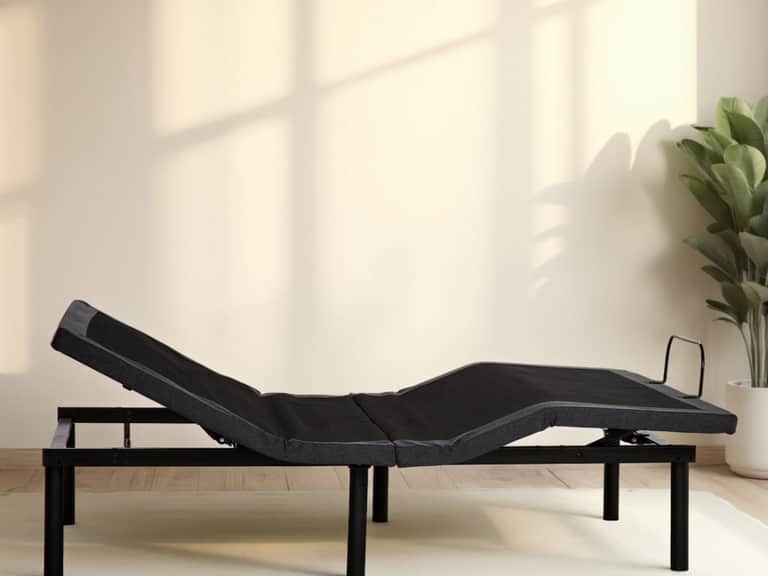
For adjustable beds, verify that the topper can flex with the base and that its dimensions match the mattress sections. Even if a material is generally flexible, the specific product may have guidance about use on an adjustable foundation. The safest approach is to confirm compatibility with the topper maker and the bed manufacturer.
Care, durability, and everyday ownership
Before purchasing, find out how the topper should be cared for. Some covers may be removable; the latex core itself may have different cleaning instructions. Follow the manufacturer’s directions and avoid assuming that a topper can be machine washed or exposed to excess moisture. Using a suitable protector can help limit everyday dirt and spills, while regular airing may help keep the sleep surface fresh.
Latex is often selected for resilience, but lifespan depends on the specific product, use, care, and conditions. Avoid bending, folding, or storing the topper in a way that conflicts with its instructions. If it arrives compressed or packaged for shipping, follow the guidance for unpacking and allowing it to settle. Do not judge the final fit or feel before completing the manufacturer’s recommended setup.
Review the return policy, warranty, delivery details, and any trial period before ordering. Confirm whether a return is allowed after opening, whether collection fees apply, and how the product must be packaged. These details are especially useful when buying a comfort layer whose feel is difficult to predict from a description alone.
A simple comparison checklist
As you compare latex mattress toppers, use the same questions for each option. This makes it easier to distinguish meaningful differences from marketing language:
- What change do I want? More cushioning, a firmer sensation, a more responsive surface, or a modest comfort adjustment?
- How thick is the topper? Will it create the subtle or substantial change I am looking for?
- What is its firmness? How does the manufacturer describe it, and are the construction details clear?
- What materials are used? Is the latex natural, synthetic, or blended, and what is the cover made from?
- Will it fit? Do the dimensions match my mattress, and will the combined height work with my sheets and protector?
- Is the mattress suitable underneath? Is it level, stable, and in reasonable condition?
- Can I care for it properly? Are cleaning, airing, and storage instructions practical for my household?
- What happens if it is not comfortable? Have I checked the trial, return, and warranty terms?
Common mistakes to avoid
One frequent mistake is choosing by thickness alone. A thicker topper does not necessarily feel softer, cooler, or more supportive; its firmness and construction matter too. Another is assuming that a topper will repair a mattress that has lost its shape. If the base is sagging, adding a new layer may simply cover the symptom without correcting the cause.
It is also easy to treat marketing terms as precise measurements. Descriptions such as “luxury,” “supportive,” or “pressure-relieving” do not tell you exactly how a product will feel in your bedroom. Look for practical specifications and return information, and judge the topper as part of the full sleep system.
Finally, do not overlook bedding fit and personal sensitivities. A new layer changes the total mattress height, and material claims should be checked rather than assumed. A thoughtful comparison can prevent a promising comfort upgrade from becoming an awkward fit or an unsuitable purchase.
Making the final choice
The most practical way to choose a latex mattress topper is to work from the bed you already have. Identify the specific problem, make sure the mattress is still in good condition, and decide how much change you want. Then compare thickness, firmness, material composition, dimensions, care requirements, and compatibility with your foundation.
If the mattress is basically sound but feels too firm, a topper with the right amount of cushioning may make the surface more comfortable. If the bed is already soft, focus on whether another layer is likely to improve the overall feel or make it less stable. Sleep position can guide your thinking, but your own comfort should have the final say.
A latex topper is best viewed as a considered adjustment, not a universal fix. Choosing carefully—and checking the return policy before committing—can help you find a layer that complements your mattress, fits your room and bedding, and feels right for the way you sleep.